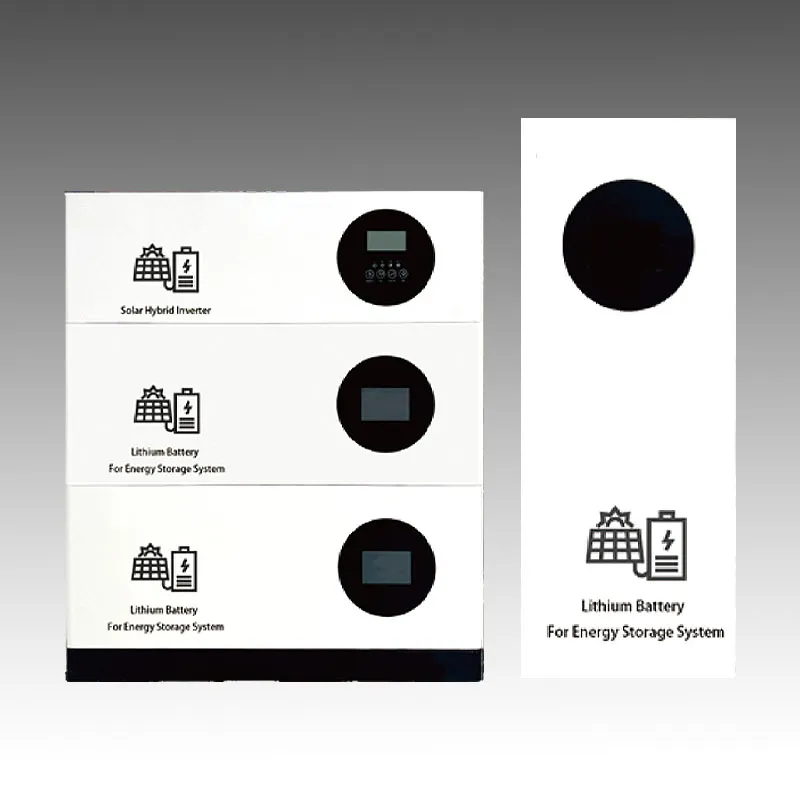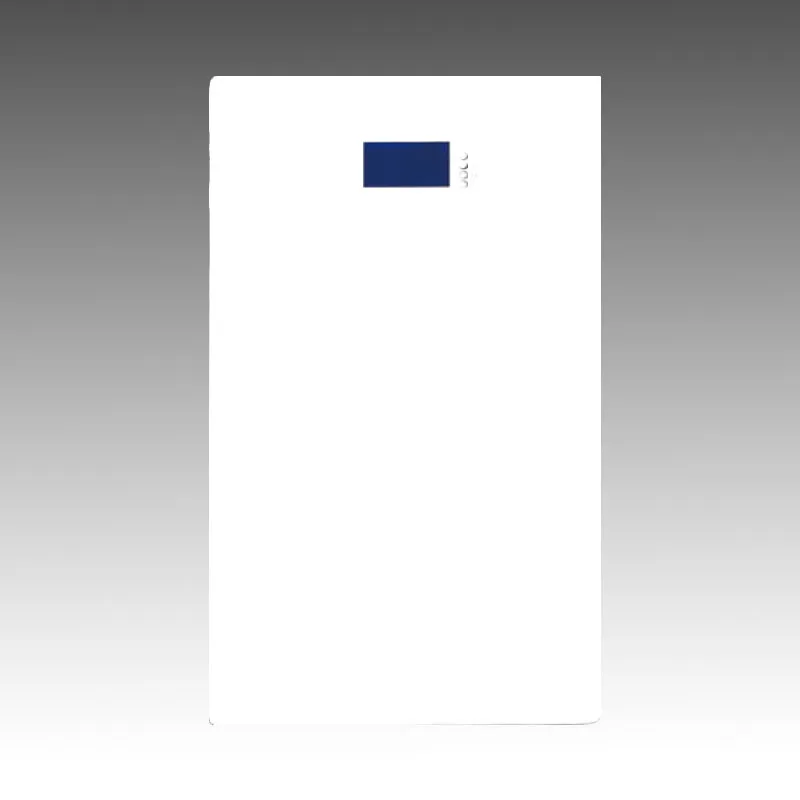








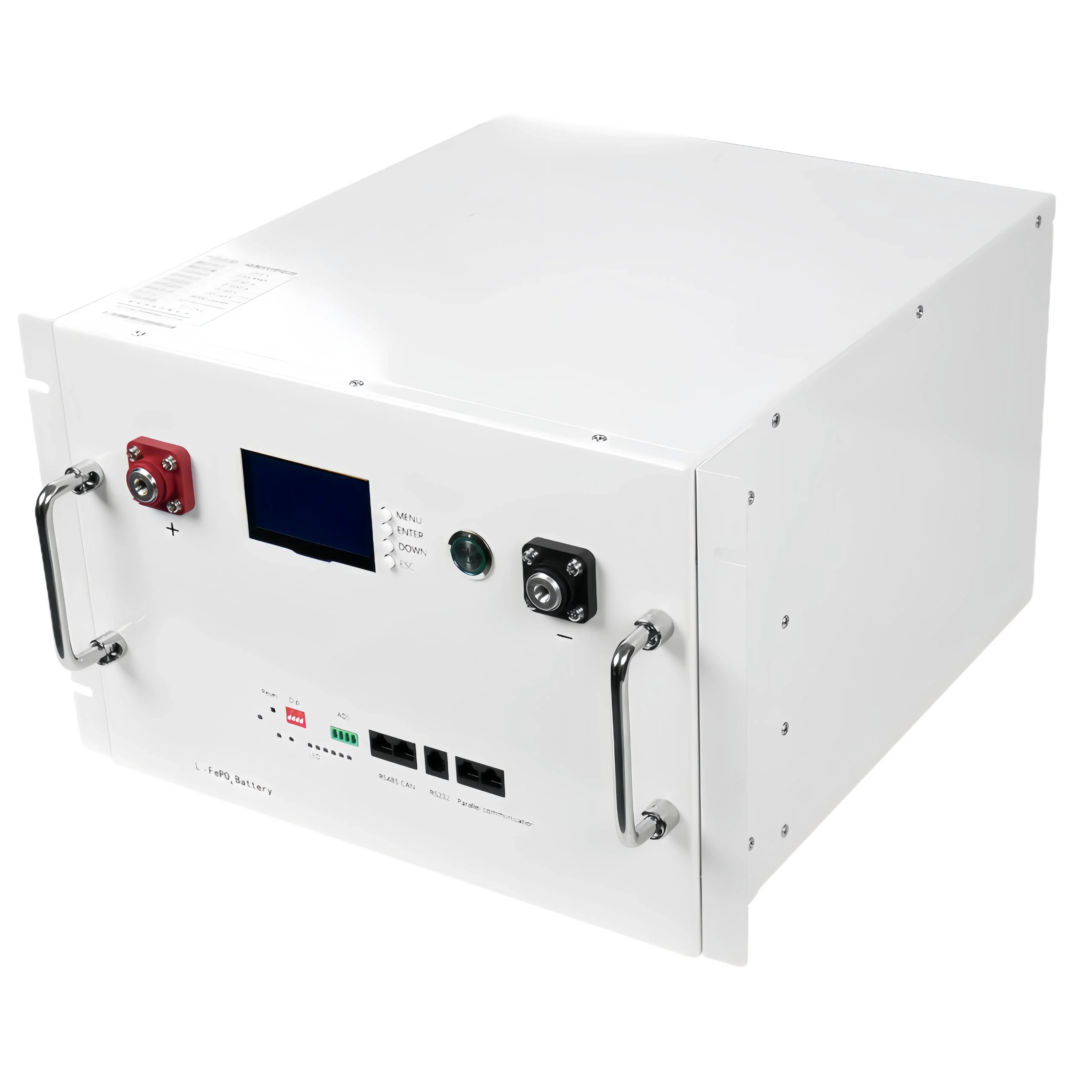
Specific details:
Lithium iron phosphate batteries, as an important branch of the lithium-ion battery family, operate based on the insertion and extraction of lithium ions between the positive electrode (lithium iron phosphate) and the negative electrode (typically graphite). The unique olivine crystal structure of these batteries endows them with stable chemical properties during energy conversion, laying the foundation for their application in the new energy sector.
| Product Parameter | |||
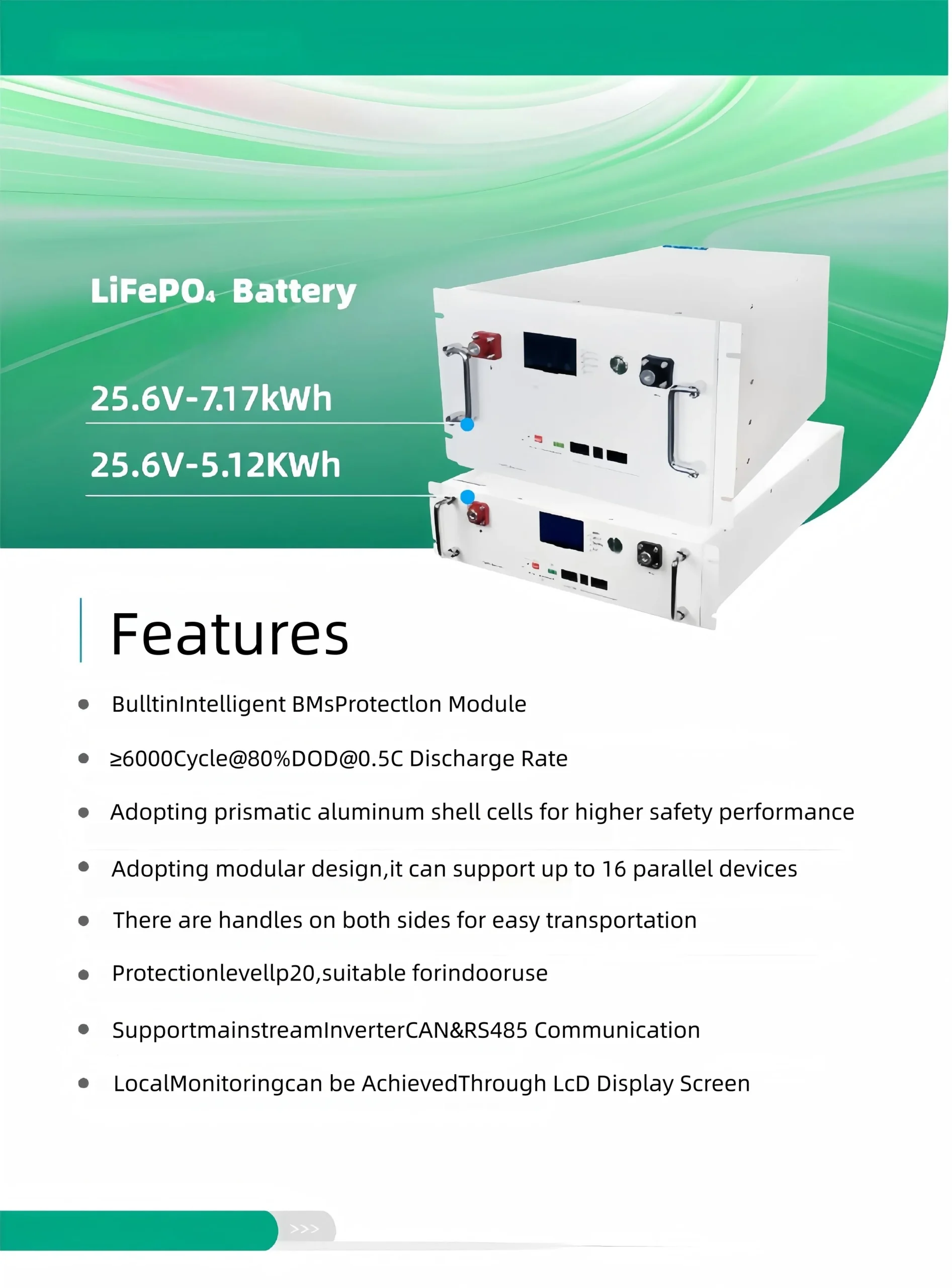
| Model | 25.6V-5.12kWh | 25.6V-7.17kWh | |
| ElectricalCharacteristics | Battery Cell Material | Lithium Iron Phosphate(LiFePO4) | |
| Nominal Voltage | 25.6V | ||
| Nominal Capacity | 200Ah | 280Ah | |
| Nominal Energy | 5.12kWh | 7.17kWh | |
| Output Power | 3.84kW | ||
| Upper charge voltage | 27.6V | ||
| Discharge cut-off voltage | 22.4V | ||
| Self-Discharge Rate | <2%Per Month | ||
| Lifespan | ≥6000Cycle@80%DOD@0.5C Discharge Rate | ||
| Mechanical Characternstics | Battery Cell Type | Prismatic Battery Cell | |
| Battery Cell Layout | 8S | ||
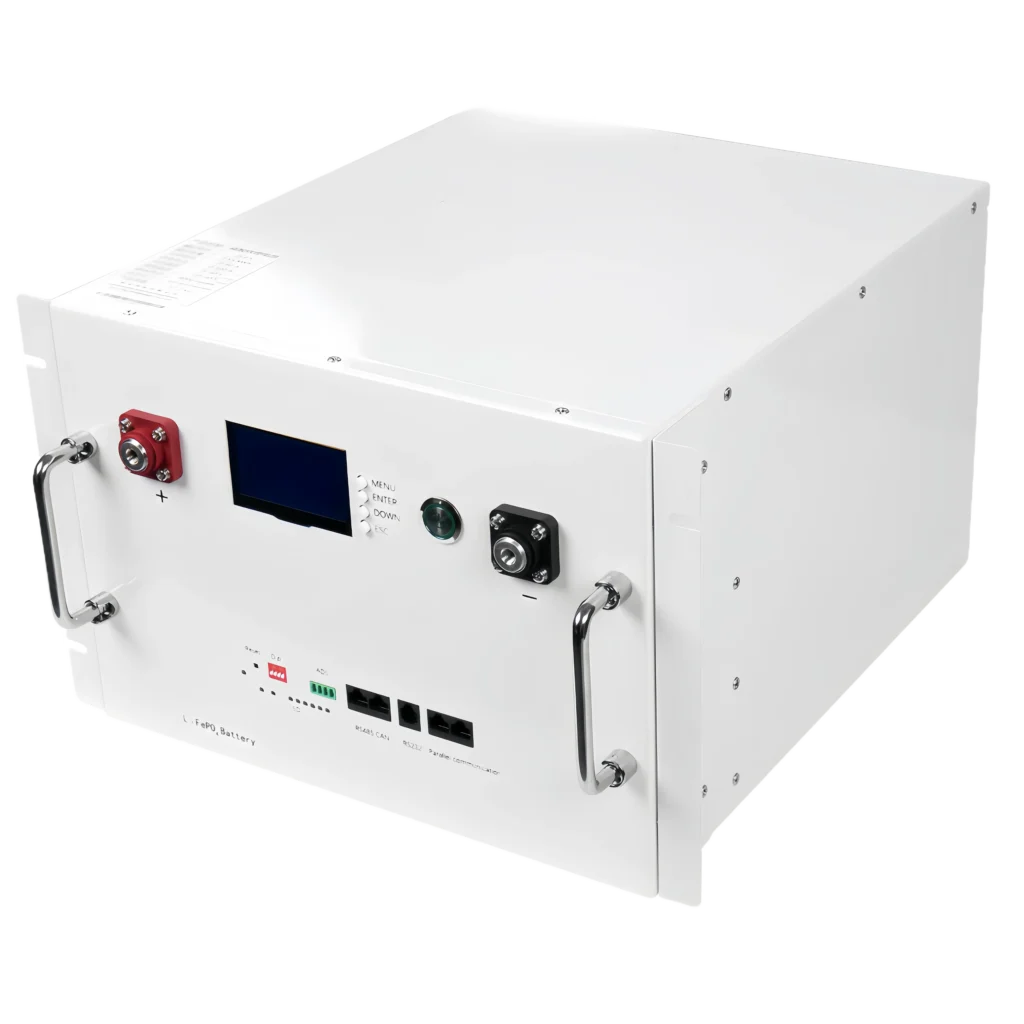
| Product Dimension | 640*455*130mm | 415*365*260mm | |
| Packing Dimension | 750*570*280mm | 510*485*470mm | |
| Net Weight | 45.1kg | 56.85kg | |
| Gross Weight | 55.6kg | 65.4kg | |
| Protection | IP20 | ||
| MAX Parallel | 16PCS | ||
| Charging Temperature | 0~60℃ | ||
| Discharging Temperature | -20~45℃ | ||
| Power Terminal | M8 Combination screw fastening | ||
| BMS Charge ProtectionVoltage | Discharge Current | 0-140A | |
| Charging Current | 0-140A | ||
| Discharge Protection Voltage | 21.6V | ||
| Characteristics | 29.2V | ||
| Float Charge Voltage | 28.8V | ||
| Overcurrent Protection | 180A | ||
| Short-Circuit Protection | Supported,Recovery after the load disconnected | ||
| Communication Port | RS485/CAN | ||
Product Description:
In terms of performance, their core strengths lie in reliability and economy. On one hand, compared to lithium cobalt oxide and lithium nickel oxide batteries, lithium iron phosphate batteries do not contain rare metals such as cobalt and nickel. This not only reduces reliance on scarce resources but also significantly reduces safety risks in high-temperature and overcharge scenarios. Even in the face of external shocks, the internal structure of the battery is less likely to undergo drastic reactions, making it an ideal choice for safety-oriented scenarios. On the other hand, its raw material cost is lower, and the rate of cycle degradation is slower. Over the long term (such as in energy storage systems and commercial vehicles), it can significantly reduce the total life cycle cost, with outstanding cost-performance advantages.
Of course, its performance shortcomings have gradually emerged as application scenarios expand. Apart from having a lower energy density than lithium cobalt oxide batteries (resulting in shorter device range under the same weight), lithium iron phosphate batteries also have a slower lithium ion migration speed in low-temperature environments, which leads to a decrease in battery charging and discharging efficiency. However, the industry has gradually alleviated the problem of low-temperature performance through technical means such as adding conductive agents and optimizing electrolyte formulations.
From the perspective of market and technological development, lithium iron phosphate batteries have seen a continuous increase in market share in recent years due to policy support and technological breakthroughs. In the field of new energy vehicles, it has become the preferred choice for many automakers for entry-level and family vehicles; in the energy storage field, it is the mainstream configuration for large-scale energy storage systems. As the research and development of derivative technologies such as manganese iron phosphate and non-cobalt batteries progresses, in the future, it will achieve new breakthroughs in improving energy density and optimizing low-temperature performance, further consolidating its important position in the new energy industry chain.